

Uncategorized
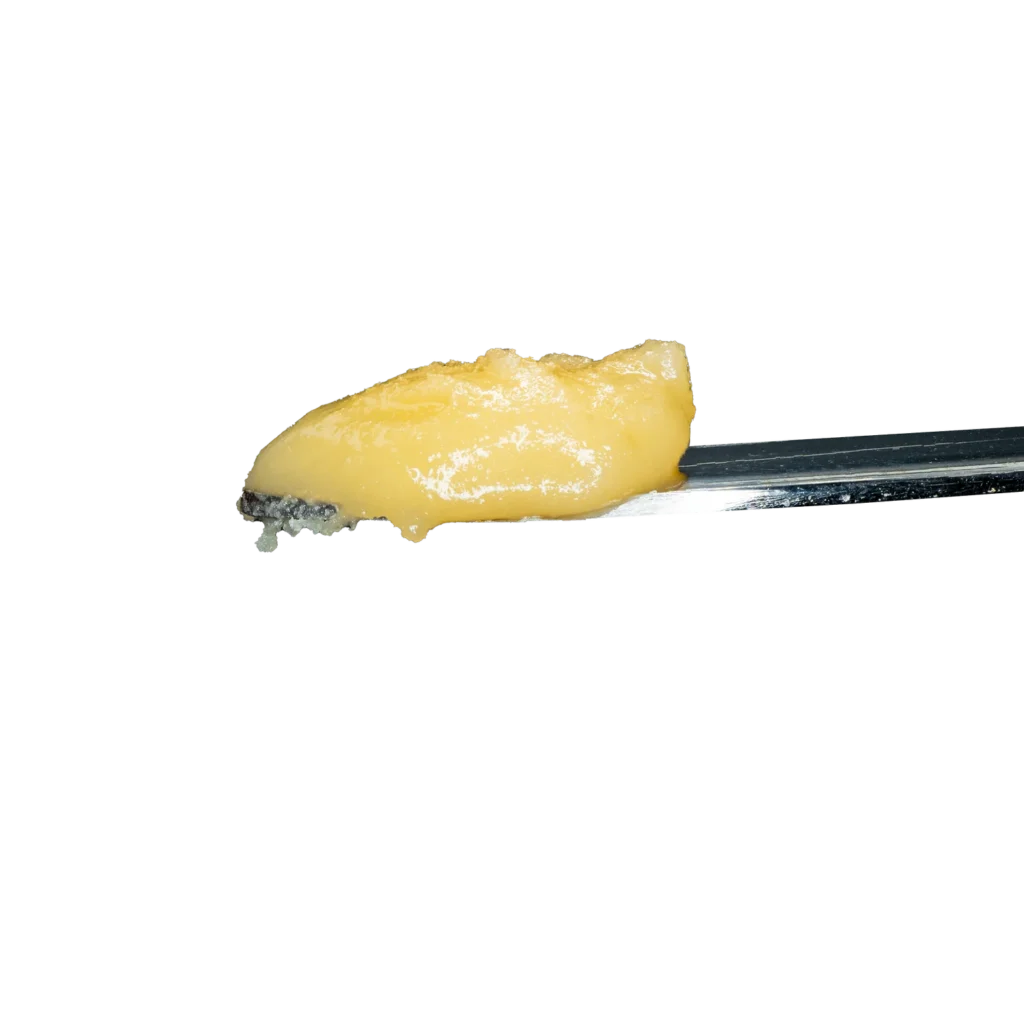
thca live rosin diamonds for sale
Oct
THCA Live Rosin Diamonds: What They Are, How They’re Made, and What to Know
Introduction to THCA Live Rosin Diamonds
THCA live rosin diamonds have become a widely discussed category within the cannabis concentrate market. The name combines several concepts: THCA, live rosin, and diamonds. Understanding each part helps explain why this type of concentrate is different from traditional cannabis flower and many other concentrates.
THCA, or tetrahydrocannabinolic acid, is a naturally occurring cannabinoid found in raw cannabis. Unlike delta-9 THC, THCA is non-intoxicating in its raw acidic form. When exposed to sufficient heat, THCA can undergo decarboxylation and convert into THC.
Live rosin refers to a solventless concentrate made from cannabis that is generally processed while preserving characteristics associated with freshly harvested material. Diamonds describe highly crystalline structures associated with concentrated THCA.
Because these terms can be used differently across the cannabis industry, consumers should pay attention to laboratory testing, product labeling, manufacturing information, and applicable laws rather than relying solely on marketing terminology.
What Are THCA Diamonds?
THCA diamonds are crystalline formations containing highly concentrated THCA. Their appearance can range from small crystals to larger, transparent or translucent structures depending on the production method and processing conditions.
The term “diamond” refers primarily to the physical appearance and crystalline structure of the concentrate. It does not mean the product contains actual diamonds or gemstones.
THCA crystals are particularly interesting because THCA can form a crystalline structure under controlled conditions. The resulting material may have a very different appearance from cannabis flower, hash, or conventional resin.
The concentration of cannabinoids can also vary significantly between products. This makes independent laboratory testing particularly important when evaluating a concentrate.
What Does “Live Rosin” Mean?
Live rosin is a solventless cannabis concentrate. The term “live” generally refers to cannabis material that is preserved in a fresh or frozen state after harvest rather than being completely dried and cured in the conventional way before extraction.
The material is processed using mechanical methods involving pressure and controlled heat rather than chemical solvents.
This distinction is important because “live rosin” and “live resin” are not the same thing.
Live Rosin vs. Live Resin
Although the names sound similar, there is a major production difference:
- Live rosin: Produced using solventless mechanical extraction methods.
- Live resin: Typically produced using hydrocarbon or other chemical extraction methods.
- Rosin: Can be produced from dried and cured cannabis or other starting material.
- Live rosin: Uses fresh/frozen starting material intended to preserve characteristics associated with recently harvested cannabis.
Consumers researching concentrates should therefore look beyond similar-sounding names and check how the product was actually produced.
How THCA Live Rosin Diamonds Are Produced
Production methods can differ considerably between manufacturers, but the general concept involves preserving fresh cannabis material and separating desirable compounds through controlled processing.
Fresh cannabis may first be preserved at low temperatures after harvest. This helps maintain compounds that could otherwise change during drying and curing.
Solventless processing can then use pressure, temperature, and mechanical separation to produce rosin. Further refinement or controlled crystallization may result in material containing visible THCA crystalline structures.
The exact process is technically complex, and professional production requires appropriate equipment, environmental controls, testing, and quality-control procedures.
For consumers, the most important consideration is not attempting to reproduce the process at home but understanding the information provided by a legitimate laboratory report and product label.
Why Do THCA Diamonds Look Like Crystals?
The distinctive appearance comes from the ability of THCA to form crystals under appropriate conditions.
When cannabinoid-rich material undergoes controlled separation and purification, THCA molecules can organize into a crystalline structure. Depending on processing conditions, the result can resemble small pieces of clear or translucent mineral material.
Color and clarity can vary. A product’s appearance alone, however, should not be treated as proof of potency, purity, freshness, or quality.
A laboratory certificate of analysis provides considerably more useful information than appearance alone.
THCA Live Rosin Diamonds and Terpenes
Terpenes are aromatic compounds found in cannabis and many other plants. They contribute to the aroma and flavor characteristics associated with different cannabis varieties.
Fresh or frozen processing is often associated with efforts to preserve volatile compounds that may change during traditional drying and curing.
This is one reason live concentrates receive considerable attention from people interested in aroma and flavor characteristics.
However, terpene content can vary significantly between batches. A product described as “live” should not automatically be assumed to have a specific terpene profile.
Laboratory testing can provide more meaningful information about cannabinoid and terpene content when such testing is available.
How THCA Diamonds Differ From Cannabis Flower
Traditional cannabis flower contains cannabinoids, terpenes, plant material, and other naturally occurring compounds. THCA diamonds are much more concentrated forms of cannabinoid-rich material.
Some of the key differences include:
Appearance
Flower consists of dried plant material covered with trichomes. Diamonds have a crystalline or granular appearance.
Composition
Flower contains a broad mixture of plant compounds. Diamonds are processed concentrates with a much greater concentration of specific cannabinoids.
Processing
Flower undergoes cultivation, harvesting, drying, and curing. Concentrates undergo additional processing designed to separate and concentrate cannabinoids and other compounds.
Potency
Concentrates can contain substantially higher cannabinoid concentrations than ordinary flower. This makes accurate labeling and laboratory testing especially important.
THCA Diamonds vs. Other Concentrates
There are many forms of cannabis concentrates, including rosin, resin, hash, badder, wax, crumble, and crystalline products.
THCA diamonds are distinguished primarily by their crystalline structure and high concentration of THCA.
Live rosin diamonds combine the concept of crystalline THCA with solventless live-material processing. The result is a category that sits at the intersection of several concentrate technologies.
When comparing concentrates, consumers should consider:
- Cannabinoid profile
- Terpene profile
- Extraction method
- Laboratory testing
- Manufacturing information
- Packaging
- Storage requirements
- Applicable laws and regulations
What to Look for in a Laboratory Report
A certificate of analysis, commonly called a COA, can provide valuable information about a cannabis product.
Depending on the jurisdiction and testing laboratory, a COA may include cannabinoid potency and screening for contaminants.
Important categories may include:
- THCA concentration
- Delta-9 THC
- Other cannabinoids
- Terpene information
- Residual solvents where applicable
- Heavy metals
- Pesticides
- Microbial contamination
- Mycotoxins
Consumers should be cautious about products making strong purity or potency claims without independent testing documentation.
Proper Storage of Concentrates
Cannabis concentrates can be sensitive to heat, light, air, and contamination.
Storage conditions can affect texture, aroma, color, and chemical stability. General product-label instructions should always take priority.
Concentrates should be kept in appropriate containers and stored securely away from children, pets, and unauthorized users.
Exposure to excessive heat can alter texture and potentially affect volatile compounds. Light and oxygen can also contribute to chemical changes over time.
THCA and Heat
One of the most important concepts when discussing THCA is decarboxylation.
THCA contains an acidic group that can be removed through heat, converting THCA into THC. This is why the effects and chemical profile of cannabis can change when it is heated.
The precise conversion depends on multiple factors, including temperature, duration, material composition, and processing conditions.
Because concentrates can be highly concentrated, consumers should not assume that they behave exactly like ordinary cannabis flower.
Legal Considerations for THCA Products
The legal status of THCA products can vary considerably depending on jurisdiction.
Rules may depend on the amount of delta-9 THC, the source of the cannabinoid, total cannabinoid content, product type, manufacturing standards, and local cannabis regulations.
A product that is described as hemp-derived or compliant in one location may not have the same legal status elsewhere.
Before purchasing, possessing, transporting, or using a cannabinoid product, consumers should check the laws that apply specifically to their location.
International transportation can introduce additional legal restrictions and should not be assumed to be permitted simply because a product is available in another jurisdiction.
Related Cannabis Concentrate Products
People researching THCA live rosin diamonds may also encounter several related concentrate categories.
Live Rosin
Live rosin is a solventless concentrate made from fresh or frozen cannabis material. It is commonly discussed for its aromatic characteristics and mechanical extraction process.
Rosin
Traditional rosin is another solventless concentrate. Depending on the manufacturing process, the starting material may be dried and cured cannabis rather than fresh-frozen material.
Live Resin
Live resin is generally produced using solvent-based extraction techniques and fresh or frozen cannabis. It is different from solventless live rosin.
THCA Crystalline
THCA crystalline products focus heavily on purified THCA and may have a more pronounced crystal-like appearance.
Hash
Hash is a broad category of concentrated cannabis trichomes. Traditional hash-making methods can vary widely by region and technique.
Understanding Quality Beyond Appearance
One of the biggest mistakes consumers can make is judging concentrate quality entirely by appearance.
Clear crystals may look impressive, but appearance does not establish:
- Laboratory purity
- Actual cannabinoid concentration
- Contaminant levels
- Manufacturing standards
- Product age
- Authenticity
A better approach is to consider the entire product profile.
Look for transparent labeling, credible laboratory testing, appropriate packaging, manufacturing information, and compliance with applicable regulations.
Frequently Asked Questions About THCA Live Rosin Diamonds
Are THCA diamonds the same as THC?
No. THCA is the acidic precursor to THC. THCA can convert to THC through decarboxylation, particularly when exposed to heat.
Are live rosin diamonds solventless?
Products specifically made as live rosin should be produced using solventless mechanical methods. Consumers should verify the manufacturer’s stated extraction method.
Why are they called diamonds?
They are called diamonds because concentrated THCA can form a crystalline structure that visually resembles small gemstones.
Are THCA diamonds stronger than flower?
Concentrates can contain much higher cannabinoid concentrations than cannabis flower. Actual potency varies by product and should be confirmed through laboratory testing.
What is the difference between live rosin and live resin?
Live rosin is generally produced using solventless mechanical extraction, while live resin is generally produced through solvent-based extraction.
How should cannabis concentrates be stored?
Follow the manufacturer’s storage instructions and keep products protected from excessive heat, light, moisture, and contamination. Keep them securely away from children and pets.
Does THCA naturally occur in cannabis?
Yes. THCA is one of the naturally occurring cannabinoid acids found in raw cannabis.
Final Thoughts
THCA live rosin diamonds represent an increasingly sophisticated category of cannabis concentrates. Their distinctive crystalline appearance comes from concentrated THCA, while the “live rosin” designation refers to a solventless approach associated with fresh or frozen cannabis material.
Understanding the terminology is important because cannabis concentrates can differ substantially in production method, cannabinoid composition, terpene profile, potency, and legal status.
Rather than relying solely on marketing language, consumers should examine laboratory testing, product labeling, manufacturing information, storage guidance, and local regulations.
Whether you are researching THCA diamonds, comparing live rosin with live resin, learning about solventless extraction, or simply trying to understand cannabis concentrates, the most useful approach is to focus on transparent product information and responsible, legally compliant use.
Related Topics
- THCA diamonds explained
- Live rosin vs. live resin
- Solventless cannabis concentrates
- THCA vs. THC
- Cannabis terpene profiles
- Cannabis concentrate storage
- Cannabis laboratory testing
- Understanding certificates of analysis
- Cannabis concentrate quality
- THCA crystalline products
Suggested Related-Product Section
For an informational ecommerce blog, a related-products section can link readers to legally compliant product categories such as:
- THCA educational collection
- Solventless concentrate information
- Live rosin collection
- Cannabis laboratory-testing resources
- Cannabis accessories and storage products
- Cannabinoid education guides
Any product listings, pricing, discounts, or promotional offers should be displayed only where permitted by applicable law and the platform’s advertising and commerce policies.
