

Uncategorized
live resin sauce for sale
Oct
Live Resin Sauce: What It Is, How It’s Made, and What to Know
What Is Live Resin Sauce?
Live resin sauce is a type of cannabis concentrate known for its rich terpene content, distinctive aroma, and soft, viscous texture. Unlike many traditional cannabis concentrates that begin with dried and cured cannabis flower, live resin is generally produced from freshly harvested cannabis that is preserved at very low temperatures shortly after harvest.
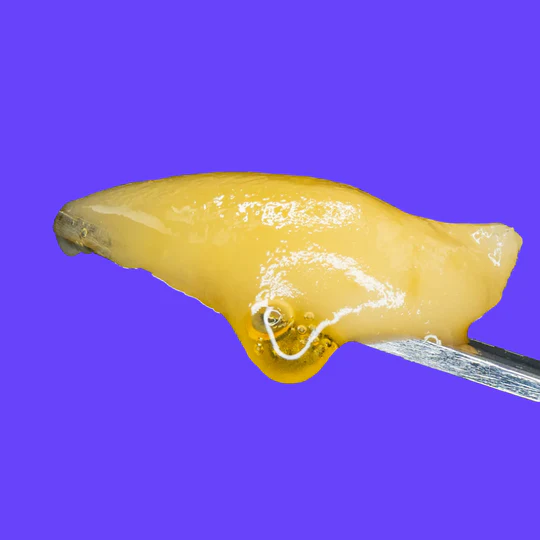
The term “sauce” refers primarily to the appearance and consistency of the finished concentrate. Depending on how it is processed and stored, live resin sauce can have a wet, syrup-like texture with visible crystalline structures. It may contain a combination of cannabinoids and aromatic compounds, including terpenes.
Because cannabis concentrates can contain substantially higher cannabinoid concentrations than ordinary flower, consumers should understand the differences between products before making decisions about their use.
How Is Live Resin Sauce Made?
The production of live resin starts with freshly harvested cannabis. Instead of allowing the plant material to undergo a conventional drying and curing process, producers rapidly preserve the harvested material using extremely cold temperatures.
This approach is intended to retain volatile compounds that can otherwise change or evaporate during drying and curing.
After preservation, the plant material undergoes extraction using specialized equipment and solvents or other extraction technologies. The resulting extract can contain cannabinoids, terpenes, and other naturally occurring compounds from the cannabis plant.
Further processing can separate or concentrate different components of the extract. Under controlled conditions, cannabinoids may form crystalline structures while remaining surrounded by terpene-rich material. This combination contributes to the characteristic appearance of sauce.
Professional production requires specialized equipment, controlled environments, appropriate testing, and compliance with applicable laws and regulations.
Why Is Live Resin Different From Traditional Cannabis Concentrates?
One of the biggest distinctions between live resin and many other concentrates is the starting material.
Traditional concentrates may use cannabis that has already been dried and cured. Live resin generally starts with freshly harvested plant material that has been preserved before significant drying occurs.
This difference can affect the resulting aroma, flavor, texture, and chemical composition.
Live resin is particularly associated with terpene preservation. Terpenes are aromatic compounds found naturally in cannabis and many other plants. They contribute to characteristics such as citrus, pine, floral, herbal, earthy, or fruity aromas.
The exact characteristics of any concentrate depend on the cannabis cultivar, cultivation methods, harvesting conditions, extraction process, refinement techniques, storage, and testing.
Live Resin Sauce vs. Live Resin
The terms live resin and live resin sauce are sometimes used interchangeably, but they can describe somewhat different physical presentations.
Live resin is a broad category of concentrates made using freshly harvested cannabis. Its consistency can range from relatively soft and sticky material to thicker textures.
Live resin sauce generally describes a more fluid or terpene-rich concentrate. Some products may contain crystalline cannabinoid structures suspended in a liquid or semi-liquid terpene fraction.
Therefore, “sauce” is best understood as a description of texture and composition rather than a completely separate cannabis category.
What Does Live Resin Sauce Look Like?
Live resin sauce can have a glossy, wet, or semi-liquid appearance. Depending on its composition, it may contain small crystalline formations surrounded by a translucent or golden terpene-rich liquid.
Color can vary considerably. Concentrates may range from pale yellow and gold to darker amber shades.
However, appearance alone is not a reliable way to determine quality.
A professional laboratory report is much more useful for understanding cannabinoid concentrations, contaminant testing, and other measurable characteristics.
What Does Live Resin Sauce Smell Like?
A major characteristic of live resin sauce is its pronounced aroma.
Because the production process is designed to preserve volatile compounds from freshly harvested cannabis, some live resin products can have a stronger aromatic profile than concentrates made from extensively dried material.
Aroma depends heavily on the original cultivar and its terpene composition. Potential aromatic characteristics include:
- Citrus
- Lemon
- Pine
- Herbal notes
- Floral aromas
- Berry-like notes
- Tropical fruit
- Earthy characteristics
- Spicy or peppery notes
Terpenes do not determine a product’s effects by themselves, and aroma should not be treated as a substitute for laboratory testing.
Common Terpenes Found in Cannabis
Cannabis contains numerous naturally occurring terpenes. Some commonly discussed examples include myrcene, limonene, pinene, linalool, and caryophyllene.
Myrcene is commonly associated with earthy and herbal aromas.
Limonene is associated with citrus-like aromas.
Pinene can contribute pine-like characteristics.
Linalool is associated with floral and lavender-like aromas.
Caryophyllene can contribute spicy and peppery characteristics.
The actual terpene profile varies from one cannabis variety and production batch to another.
Live Resin Sauce vs. Distillate
Live resin sauce and distillate are produced using different approaches and can have significantly different compositions.
Distillate production typically involves extensive refinement intended to isolate and concentrate cannabinoids. As a result, much of the original plant’s terpene profile may be removed during processing and potentially reintroduced later.
Live resin is generally produced with greater emphasis on retaining compounds from freshly harvested cannabis.
Neither category should automatically be considered “better.” The appropriate comparison depends on factors such as composition, intended use, testing, formulation, and individual preferences where cannabis use is legal.
Live Resin Sauce vs. Wax
Wax is another broad category of cannabis concentrate characterized by a thicker, often opaque consistency.
The difference between sauce and wax is primarily related to physical characteristics and processing.
Wax may have a whipped, crumbly, or creamy texture, while sauce is generally more fluid and glossy. However, cannabis concentrate terminology is not perfectly standardized, and producers can use different names for products with similar physical characteristics.
For that reason, consumers should examine the actual product information and laboratory documentation rather than relying solely on names such as “wax,” “sauce,” or “live resin.”
Why Laboratory Testing Matters
Cannabis concentrates should be evaluated using more than appearance, aroma, or marketing terminology.
Laboratory testing can provide information about cannabinoid concentrations and may also test for contaminants depending on local regulatory requirements.
Potential testing categories can include:
- Cannabinoid potency
- Terpene profile
- Residual solvents
- Heavy metals
- Pesticides
- Microbial contamination
- Other regulated contaminants
A certificate of analysis, commonly called a COA, can provide useful information about the tested batch.
Testing standards vary by jurisdiction, so consumers should check whether a product has been tested according to the requirements applicable in their location.
Storage Considerations
Concentrates can be sensitive to heat, light, oxygen, and improper handling.
Exposure to excessive heat may change texture and potentially affect volatile compounds. Light and oxygen can also contribute to chemical changes over time.
For products that are legally purchased and used, following the manufacturer’s storage instructions is important. Concentrates should also be kept securely away from children and pets.
Important Safety Considerations
Cannabis concentrates can contain high levels of cannabinoids. This means they should not automatically be approached in the same way as traditional cannabis flower.
People who are inexperienced with cannabis concentrates should understand that concentrated products can produce stronger and longer-lasting effects than they may expect.
Cannabis can also affect coordination, reaction time, attention, and judgment. Driving or operating machinery after using cannabis can be dangerous and may be illegal.
Cannabis products should only be used where permitted by applicable law and according to product labeling and professional guidance where appropriate.
Frequently Asked Questions About Live Resin Sauce
Is live resin sauce the same as live resin?
Not exactly. Live resin describes a category of concentrate made from freshly harvested cannabis, while “sauce” generally describes a particular texture and composition.
Why is live resin called “live”?
The term generally refers to the use of freshly harvested cannabis that has been preserved before conventional drying and curing.
Why does live resin sauce have a strong aroma?
Live resin production is designed to retain volatile compounds, including terpenes, that contribute significantly to cannabis aroma.
Can live resin sauce contain THC?
Yes. Depending on the product and formulation, live resin sauce can contain significant concentrations of THC and other cannabinoids.
Does live resin sauce always have the same color?
No. Color can vary according to the cultivar, processing method, storage conditions, and other factors.
How can someone determine the quality of a concentrate?
Laboratory testing and a reliable certificate of analysis are more useful indicators than color, appearance, or marketing claims alone.
Is live resin stronger than cannabis flower?
Concentrates can contain considerably higher cannabinoid concentrations than cannabis flower, although the exact potency depends on the individual product.
Related Cannabis Concentrate Categories
Readers researching live resin sauce may also encounter several related concentrate categories.
Live Rosin
Live rosin is produced using a solventless process and starts with fresh or freshly frozen cannabis material. It is often discussed alongside live resin because both emphasize preserving characteristics of fresh cannabis.
Cannabis Distillate
Distillate is a highly refined cannabis extract designed to produce a concentrated cannabinoid product. Its composition can differ substantially from terpene-rich live resin products.
Cannabis Wax
Wax generally refers to a thicker cannabis concentrate with a softer or more solid consistency.
Cannabis Shatter
Shatter is typically recognized for its glass-like appearance and relatively firm structure. Its texture differs substantially from the fluid consistency associated with many sauce products.
Cannabis Vape Formulations
Some cannabis extracts are formulated specifically for vaporization devices. Formulations can vary considerably, so consumers should rely on regulated product labeling and laboratory information.
Responsible Cannabis Information
Cannabis terminology can be confusing because product names are not always standardized across producers and jurisdictions. Terms such as live resin, sauce, wax, rosin, shatter, and distillate can describe differences in processing, texture, or composition.
For anyone researching cannabis concentrates, the most useful approach is to look beyond product names and consider the underlying information: how the extract was produced, what cannabinoids and terpenes are present, whether independent laboratory testing is available, and whether the product complies with local regulations.
Live resin sauce remains a distinctive category because its production begins with freshly harvested cannabis and places considerable emphasis on preserving aromatic compounds. Its characteristic glossy texture, strong aroma, and terpene-rich composition have made it an important topic in discussions about modern cannabis extraction.
Final Thoughts
Live resin sauce represents one of the more terpene-focused forms of cannabis concentrate. Its defining characteristics come from the use of freshly harvested cannabis, low-temperature preservation, specialized extraction, and processing that can produce a fluid, aromatic concentrate.
Understanding the differences between live resin sauce, live resin, rosin, wax, shatter, and distillate makes it easier to interpret product descriptions without relying solely on marketing terminology.
For consumers in jurisdictions where cannabis is legal, responsible decision-making should begin with reliable product information, laboratory testing, legal compliance, appropriate storage, and awareness of the higher cannabinoid concentrations commonly associated with concentrates.
