

Uncategorized
thca flower sale
Oct
THCA Flower: What It Is, How It Works, and What to Know Before Using It
THCA flower has become an increasingly discussed topic among adults interested in cannabis products and cannabinoid science. Although THCA is closely associated with THC, the two compounds are not identical. Understanding the difference between THCA and THC, how heating affects THCA, and what factors can influence a cannabis flower product can help consumers make more informed decisions.
This guide explains what THCA flower is, how it differs from traditional THC products, how cannabinoids interact with the body, and the important legal and safety considerations to understand before using any cannabis-derived product.
What Is THCA Flower?
THCA stands for tetrahydrocannabinolic acid. It is a naturally occurring cannabinoid found in raw cannabis plants. THCA is the acidic precursor to THC and is present in cannabis before the plant material is exposed to significant heat.
Fresh cannabis contains several acidic cannabinoids. As the plant material is dried, stored, heated, or processed, chemical changes can occur. One of the best-known transformations is the conversion of THCA into THC through a process called decarboxylation.
This distinction is important because THCA itself is generally described as non-intoxicating in its raw form, while THC is the cannabinoid primarily associated with the traditional psychoactive effects of cannabis.
THCA vs. THC: What’s the Difference?
The main difference between THCA and THC is their chemical structure and how they behave when exposed to heat.
THCA contains an additional carboxyl group. When sufficient heat is applied, that group can be removed through decarboxylation, resulting in THC.
In simple terms:
THCA + heat → THC
This is one reason the method of consumption matters when discussing cannabis products.
A product containing THCA may behave differently from raw cannabis because heating can change the cannabinoid profile. Consumers should therefore pay attention to laboratory information and product labeling rather than assuming that the amount of THCA shown on a label represents the same thing as the amount of active THC after heating.
What Is THCA Flower?
THCA flower generally refers to cannabis flower that contains naturally occurring THCA along with other cannabinoids and aromatic compounds.
The appearance can resemble conventional cannabis flower because both originate from cannabis plants. Depending on the cultivar, THCA flower may contain varying amounts of cannabinoids, terpenes, and other naturally occurring plant compounds.
Important characteristics may include:
- Cannabinoid profile
- THCA concentration
- Total potential THC
- Terpene profile
- Cultivar or strain name
- Harvest information
- Laboratory testing
- Moisture and storage conditions
- Batch information
These characteristics can vary substantially between products.
Why Laboratory Testing Matters
Cannabinoid percentages alone do not provide a complete picture of a cannabis product. Independent laboratory testing can provide additional information about what is actually present in a particular batch.
A certificate of analysis, commonly called a COA, may provide information about cannabinoids and contaminants.
Depending on the laboratory and applicable regulations, testing may include screening for:
- Cannabinoids
- Pesticide residues
- Heavy metals
- Microbial contamination
- Solvents
- Mycotoxins
- Other contaminants
Consumers should look for testing information that clearly identifies the batch being evaluated. A generic laboratory report that does not correspond to the specific product or batch may provide limited reassurance.
THCA Flower and Cannabinoids
THCA is only one cannabinoid found in cannabis. Depending on the plant variety, other cannabinoids may also be present.
These can include:
CBD
CBD, or cannabidiol, is another well-known cannabinoid. Unlike THC, CBD is generally not associated with the traditional intoxicating effects of cannabis.
CBG
CBG, or cannabigerol, is another cannabinoid found in cannabis. It is sometimes described as a precursor cannabinoid because other cannabinoids can develop through related biosynthetic pathways in the plant.
THC
THC is the cannabinoid most strongly associated with cannabis intoxication. Because THCA can convert into THC when heated, consumers should understand the distinction between the raw cannabinoid profile and the potential cannabinoid profile after heating.
Understanding Total THC
One of the most important concepts when reading cannabis laboratory results is total THC.
A product can contain THCA that may convert into THC when heated. For that reason, simply looking at the listed delta-9 THC percentage may not communicate the entire potential THC content.
Laboratories and regulators may use calculations involving both delta-9 THC and THCA to estimate potential total THC.
The exact calculation and labeling requirements can depend on applicable regulations, so consumers should review the testing information and legal requirements that apply in their location.
Terpenes and THCA Flower
Cannabis flower contains aromatic compounds called terpenes. Terpenes occur naturally in many plants and contribute to their distinctive aromas and flavors.
Examples commonly associated with cannabis include:
- Myrcene
- Limonene
- Caryophyllene
- Pinene
- Linalool
Different cultivars can have different terpene profiles. This is one reason two visually similar flowers can have noticeably different aromas.
However, terpene presence should not be interpreted as a guarantee of a particular medical or psychological effect. Research into cannabinoids and terpenes continues to develop, and marketing claims should not automatically be treated as established scientific conclusions.
How THCA Flower Is Different From CBD Flower
THCA flower and CBD flower are not interchangeable.
CBD flower is generally characterized by a higher CBD content and relatively low THC levels, depending on the product and applicable legal definition.
THCA flower, on the other hand, is characterized by a significant amount of THCA.
Because THCA can convert to THC when heated, consumers should not assume that an unheated laboratory result tells the entire story about how a heated cannabis product may behave.
Storage and Product Quality
Cannabis flower can change over time when exposed to environmental conditions.
Light, heat, oxygen, and excessive moisture can affect the quality and stability of plant material.
Appropriate storage generally involves protecting cannabis flower from excessive:
- Heat
- Light
- Humidity
- Oxygen exposure
Packaging should also be appropriate for the product and comply with applicable regulations.
Consumers should pay attention to expiration or recommended-use information where provided and avoid products with unusual odors, visible contamination, damaged packaging, or unclear labeling.
Legal Considerations for THCA Flower
The legal status of THCA flower can be complicated.
Cannabis and hemp laws differ between countries, states, provinces, and territories. In some jurisdictions, legal definitions depend on the concentration of particular cannabinoids, while other jurisdictions regulate cannabis products more broadly.
Importantly, a product being advertised as “THCA” does not automatically mean that it is legal everywhere.
Before possessing, transporting, purchasing, or using any cannabis-derived product, consumers should check the laws that apply to their specific location.
Travel can create additional legal complications because a product that is permitted in one jurisdiction may be restricted in another.
Responsible Consumer Awareness
Adults considering cannabinoid products should approach product information carefully.
Be cautious about claims that promise guaranteed medical results, dramatic effects, or treatment of serious conditions. Cannabis-derived products should not automatically be considered substitutes for professional medical care.
People who take prescription medications, have underlying medical conditions, are pregnant or breastfeeding, or are uncertain about cannabis interactions should speak with an appropriate healthcare professional.
Cannabis products may also affect attention, coordination, judgment, and reaction time. Driving or operating machinery after consuming intoxicating cannabis products can be dangerous and may be illegal.
Frequently Asked Questions About THCA Flower
Is THCA the same as THC?
No. THCA and THC are chemically different cannabinoids. THCA can convert into THC when exposed to heat.
Is THCA intoxicating?
Raw THCA is generally considered non-intoxicating, but heating can convert THCA into THC, which is intoxicating.
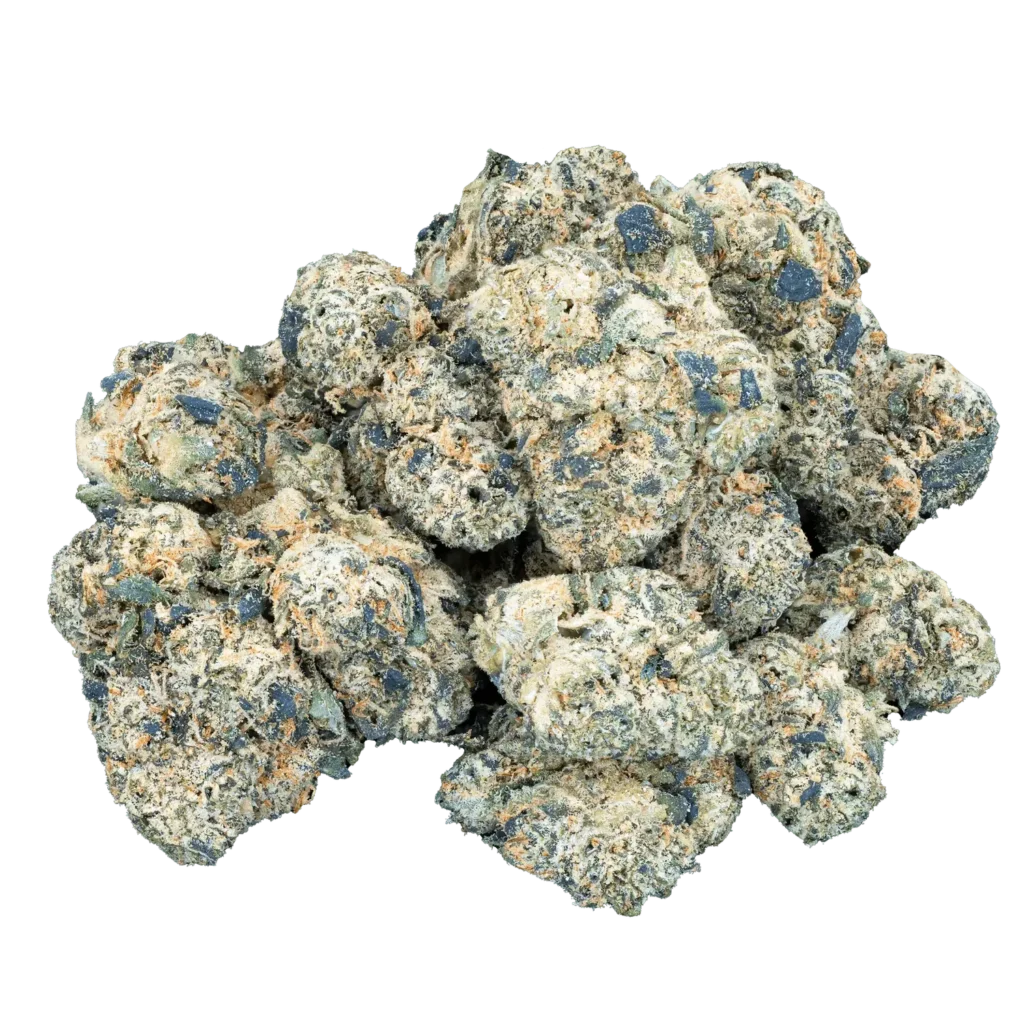
What does THCA flower look like?
It can resemble other cannabis flower, with characteristics such as visible trichomes, plant structure, and varying colors depending on the cultivar.
Why should I check a COA?
A certificate of analysis can provide information about cannabinoid concentrations and, depending on the testing panel, possible contaminants.
Does THCA flower contain THC?
A product may contain both THCA and measurable delta-9 THC. Additionally, THCA has the potential to convert into THC when heated.
Is THCA flower legal?
The answer depends on the laws where you live. Cannabis and hemp regulations vary significantly by jurisdiction.
Related Cannabinoid Products and Topics
People researching THCA flower may also encounter several related categories, including:
- CBD flower
- Hemp-derived cannabinoids
- Cannabis concentrates
- Cannabinoid tinctures
- Edible cannabinoid products
- CBG products
- Terpene products
- Cannabis laboratory testing
- Certificates of analysis
- Cannabinoid education resources
Each category can have different legal, safety, labeling, and testing requirements.
What to Look for in Responsible Product Information
Whether researching THCA flower or another cannabinoid product, useful product information should be clear and verifiable.
Look for:
- A complete cannabinoid profile
- Batch-specific laboratory testing
- Clear ingredient information
- Appropriate packaging and labeling
- Applicable legal information
- Transparent company information
- No exaggerated medical claims
Reliable information should help consumers understand what a product contains rather than relying solely on advertising language.
Final Thoughts on THCA Flower
THCA flower is an increasingly discussed cannabinoid product, but understanding it requires more than looking at a percentage on a label. THCA is chemically distinct from THC, yet heat can convert THCA into THC. This makes cannabinoid testing, product labeling, consumption method, and local regulations particularly important.
Consumers researching THCA flower should consider laboratory testing, cannabinoid profiles, terpene information, storage conditions, and applicable laws. Most importantly, they should distinguish between established scientific information and unsupported promotional claims.
As cannabinoid research and regulations continue to develop, staying informed and checking current local requirements is one of the best ways to approach THCA and other cannabis-derived products responsibly.
