

Uncategorized
fresh pressed rosin for sale
Oct
Fresh-Pressed Rosin: What It Is, How It’s Made, and What to Know Before Choosing a Product
Fresh-pressed rosin has become an increasingly discussed type of cannabis concentrate because it is produced using a solventless extraction process. Unlike many concentrates that rely on chemical solvents during extraction, rosin is generally produced through the application of controlled heat and pressure. This gives fresh-pressed rosin a distinctive place within the broader concentrate category.
For consumers who live in jurisdictions where cannabis concentrates are legal, understanding how rosin is produced, what affects its quality, and how it should be stored can make it easier to evaluate products responsibly. This guide explains the basics of fresh-pressed rosin while also covering terminology, quality factors, storage, and legal considerations.
What Is Fresh-Pressed Rosin?
Fresh-pressed rosin is a cannabis concentrate created by applying heat and pressure to cannabis material or concentrated cannabis trichomes. The process separates resinous compounds from the plant material without requiring traditional hydrocarbon or alcohol-based extraction solvents.
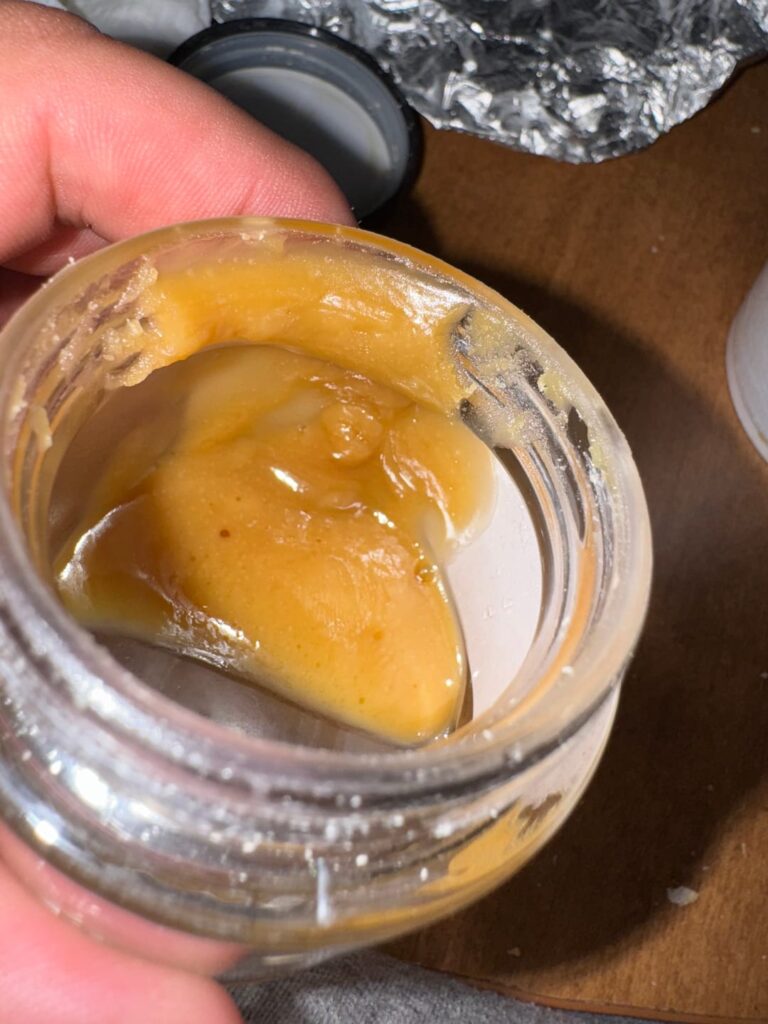
The term “fresh-pressed” generally refers to rosin that has recently undergone the pressing process. Depending on the starting material and production method, the finished concentrate may have a soft, sticky, oily, or semi-solid consistency.
Rosin can contain cannabinoids such as THC and CBD as well as aromatic compounds known as terpenes. The exact cannabinoid and terpene profile varies according to the cannabis cultivar, starting material, processing technique, storage conditions, and other production factors.
How Is Rosin Made?
The basic concept behind rosin production is relatively straightforward: heat and pressure encourage the resin contained within cannabis trichomes to separate from the surrounding plant material.
Commercial producers may begin with different types of starting material, including dried flower or frozen cannabis that has been processed into a concentrated form. The material is then placed into appropriate pressing equipment under controlled conditions.
Temperature and pressure can influence the resulting texture, aroma, appearance, and overall composition. Professional production therefore involves much more than simply applying heat to cannabis.
Fresh-Frozen Material and Rosin
Some solventless concentrates begin with cannabis that is frozen shortly after harvesting. Freezing can help preserve volatile compounds before processing.
When fresh-frozen cannabis is processed into hash and subsequently pressed into rosin, the resulting concentrate is often discussed using terms such as “live rosin.” This should not automatically be confused with every product described as fresh-pressed rosin.
Understanding the terminology on a product label can therefore be useful when comparing different solventless concentrates.
Fresh-Pressed Rosin vs. Other Cannabis Concentrates
One of the main characteristics that distinguishes rosin from many other concentrates is its solventless production method.
Traditional extraction methods can use hydrocarbons or other solvents to separate cannabinoids and aromatic compounds from cannabis. Rosin production instead relies primarily on mechanical pressure and heat.
This difference does not automatically mean that one type of concentrate is universally better than another. Each extraction method can produce different textures, flavors, cannabinoid concentrations, and consumer experiences.
The most important considerations are legality, laboratory testing, manufacturing standards, and accurate labeling.
What Affects Rosin Quality?
Several factors can influence the characteristics of finished rosin.
Starting Material
The quality of the original cannabis material plays an important role. Genetics, cultivation practices, harvest timing, handling, and storage can all affect the final concentrate.
High-quality starting material can provide a stronger foundation for a desirable finished product, although appearance alone cannot determine quality.
Processing
The pressing process itself also matters. Temperature, pressure, duration, filtration, and preparation techniques can influence the texture and composition of the final concentrate.
Professional producers use controlled procedures to maintain consistency between batches.
Terpene Profile
Terpenes are naturally occurring aromatic compounds found in cannabis and many other plants. They contribute to the smell and flavor associated with different cannabis varieties.
A fresh-smelling concentrate may have a noticeable aromatic profile, but consumers should avoid judging safety solely by smell or appearance. Laboratory testing provides much more meaningful information about cannabinoid content and contaminants.
Laboratory Testing
Independent laboratory testing is one of the most important considerations when evaluating a regulated cannabis concentrate.
Depending on local regulations, testing may examine cannabinoid potency and potential contaminants such as pesticides, heavy metals, microbial contamination, residual solvents, or other substances.
Consumers should look for products accompanied by appropriate certificates of analysis or equivalent testing information where required by law.
Understanding Rosin Texture
Rosin can appear in several different forms. Texture may range from a glossy, sticky consistency to a thicker, buttery, crystalline, or semi-solid appearance.
Texture can change over time because cannabinoids and terpenes respond to temperature, handling, oxygen exposure, and storage conditions.
Therefore, texture alone should not be treated as proof of authenticity or quality.
How Should Rosin Be Stored?
Proper storage can help preserve the characteristics of a cannabis concentrate.
Exposure to excessive heat can change texture and potentially affect volatile aromatic compounds. Excessive exposure to air, light, and fluctuating temperatures may also contribute to changes over time.
For legally purchased concentrates, consumers should follow the storage instructions supplied by the regulated producer or retailer. Keeping products securely stored and inaccessible to children and unauthorized individuals is particularly important.
Why Packaging Matters
Packaging provides more than branding. In regulated markets, packaging may contain important information about the product and its compliance with applicable regulations.
Depending on jurisdiction, a label may identify:
- Product name
- Batch or lot number
- Cannabinoid information
- Production or packaging date
- Laboratory testing information
- Ingredients or additives
- Manufacturer information
- Required health warnings
- Recommended storage information
Consumers should be cautious about products with missing, inconsistent, or unverifiable labeling.
Fresh-Pressed Rosin and Legal Considerations
Cannabis laws differ substantially between countries, states, provinces, and municipalities. Cannabis concentrates may be subject to different rules from cannabis flower, including restrictions concerning possession, production, transportation, advertising, and distribution.
Before purchasing, possessing, transporting, or using any cannabis concentrate, consumers should verify the laws that apply to their specific location.
A product being available online does not necessarily mean that it can legally be shipped or possessed in every jurisdiction.
Responsible Consumer Information
People considering cannabis concentrates should understand that concentrates can contain substantially higher cannabinoid concentrations than traditional cannabis flower.
This makes accurate labeling particularly important. Individual responses to cannabinoids can also vary considerably.
Anyone considering cannabis use should understand the laws applicable to them and consider potential risks, interactions, and individual circumstances. Cannabis products should never be used before driving or operating machinery.
Products should also be kept away from children and pets.
Related Cannabis Concentrate Topics
A useful educational cannabis website can provide readers with additional information rather than focusing solely on individual products.
Related topics can include:
Live Rosin
Live rosin is generally associated with solventless processing of fresh-frozen cannabis material. Articles about live rosin can explain the differences between starting material, processing, texture, terpene preservation, and labeling.
Hash Rosin
Hash rosin is produced by pressing cannabis hash or another concentrated trichome preparation. Educational content can explain how hash-based starting material differs from flower-based starting material.
Solventless Concentrates
Solventless concentrates represent a broader category of cannabis products produced without conventional extraction solvents. Rosin is one of the best-known examples.
Cannabis Terpenes
Terpene education can help readers understand why different cannabis varieties may have different aromas and flavor profiles.
Cannabis Laboratory Testing
Testing guides can explain certificates of analysis, cannabinoid percentages, contaminant screening, batch numbers, and other information consumers may encounter on regulated products.
Frequently Asked Questions About Fresh-Pressed Rosin
Is fresh-pressed rosin solventless?
Rosin is generally classified as a solventless concentrate because its extraction relies on mechanical pressure and heat rather than conventional chemical extraction solvents.
Is fresh-pressed rosin the same as live rosin?
Not necessarily. The terms describe different aspects of the product. “Fresh-pressed” can refer to when or how the rosin was pressed, while “live rosin” generally refers to solventless rosin made from fresh-frozen starting material.
What does rosin look like?
Rosin can have many different appearances and textures, including glossy, sticky, creamy, buttery, or semi-solid forms. Appearance can vary according to the starting material and processing method.
Does rosin contain THC?
Many cannabis rosins contain THC, although cannabinoid levels vary by product. Consumers should rely on legally required laboratory testing and labeling rather than appearance.
How should cannabis concentrates be stored?
Consumers should follow the manufacturer’s storage instructions and keep concentrates in appropriate secure storage away from children, pets, excessive heat, and unauthorized users.
Is rosin legal everywhere?
No. Cannabis and cannabis concentrates are regulated differently around the world and even between different jurisdictions within the same country.
Final Thoughts
Fresh-pressed rosin represents an important category within the growing world of solventless cannabis concentrates. Its production relies on heat and pressure rather than traditional solvent-based extraction, and the characteristics of the finished concentrate can depend on genetics, starting material, processing, storage, and testing.
For consumers in jurisdictions where cannabis concentrates are legally available, the most useful approach is to look beyond appearance and marketing language. Product testing, accurate labeling, responsible storage, and compliance with local laws are much more meaningful indicators when evaluating a regulated cannabis product.
An informative cannabis website can also help readers understand related subjects such as live rosin, hash rosin, solventless extraction, terpene profiles, laboratory testing, and responsible storage. Providing clear educational information helps visitors make better-informed decisions while keeping the focus on safety, transparency, and legal compliance.
