

Uncategorized
live resin for sale
Oct
Live Resin: What It Is, How It’s Made, and What to Know
Live resin is a cannabis concentrate known for preserving many of the aromatic compounds found in freshly harvested cannabis. Unlike traditional dried and cured cannabis products, live resin is generally produced from cannabis plants that are harvested and rapidly frozen before the extraction process. This approach is intended to preserve volatile compounds such as terpenes, which contribute significantly to cannabis aroma and flavor.
As interest in cannabis concentrates continues to grow in jurisdictions where cannabis is legally regulated, many consumers are searching for information about live resin, its production methods, characteristics, differences from other concentrates, and responsible use. This guide explains the basics in straightforward language while highlighting the importance of local laws, product testing, and responsible consumption.
What Is Live Resin?
Live resin is a type of cannabis concentrate made using freshly harvested cannabis that is typically frozen soon after harvest rather than being dried and cured first.
The primary reason for freezing the plant material is to help preserve compounds that can be lost or altered during conventional drying and curing. Among these compounds are terpenes, aromatic molecules responsible for many of the distinctive scents and flavors associated with different cannabis varieties.
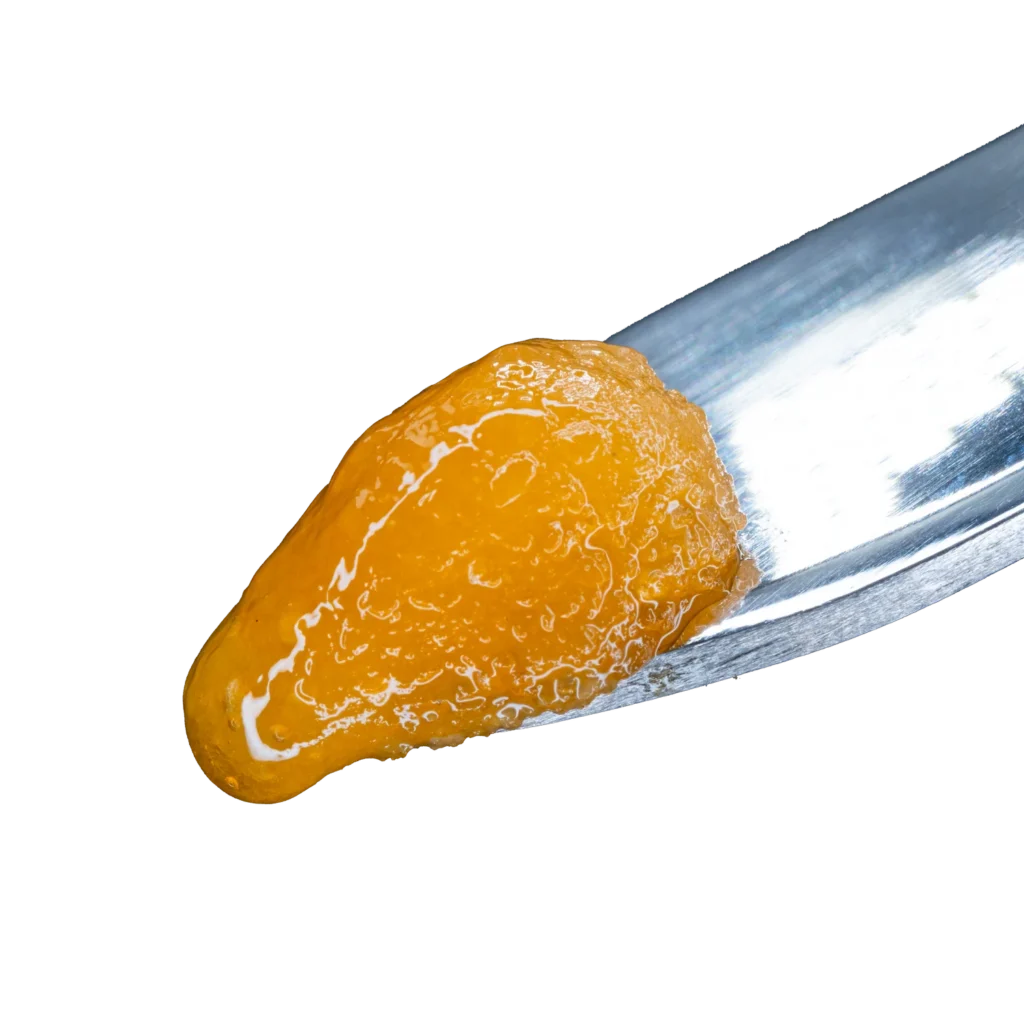
The result can be a concentrate with a particularly pronounced aroma and flavor profile. Depending on the starting plant material and extraction process, live resin may have a soft, sticky, or semi-solid consistency.
Because concentrates can contain substantially higher levels of cannabinoids than traditional cannabis flower, potency is an important consideration. Products should therefore be approached carefully and only where their use is legal.
How Is Live Resin Made?
The production of live resin begins with freshly harvested cannabis.
Instead of allowing the plant material to undergo a conventional drying and curing process, producers generally freeze it rapidly. Keeping the plant material cold helps limit degradation of certain volatile compounds.
After freezing, specialized extraction equipment and solvents may be used to separate desirable compounds from the plant material. The resulting extract is then processed and purified according to the production method.
Different producers may use different extraction technologies, purification procedures, and storage conditions. Consequently, two live resin products can have noticeably different textures, aromas, cannabinoid concentrations, and terpene profiles.
Professional manufacturing is particularly important because cannabis concentrates can require specialized equipment, controlled environments, and appropriate safety procedures.
Why Is Live Resin Popular?
One of the main reasons live resin attracts attention is its aromatic character.
Terpenes contribute heavily to the smell and flavor of cannabis. Because the plant is handled differently from conventional dried flower, live resin can retain a distinctive terpene profile.
People researching live resin commonly focus on several characteristics:
- Strong aromatic profiles
- Pronounced terpene expression
- Concentrated cannabinoid content
- Different textures and consistencies
- Variety-specific flavor characteristics
- Availability through regulated cannabis markets
However, a stronger aroma does not automatically mean that a product is safer, more effective, or higher quality. Laboratory testing and responsible manufacturing remain much more important indicators of product quality.
Live Resin vs. Cannabis Flower
Cannabis flower is the dried and cured form of harvested cannabis. Live resin, by comparison, is a concentrated extract generally produced from fresh-frozen plant material.
The most obvious difference is concentration.
Flower typically contains a lower concentration of cannabinoids than many concentrates. Live resin can therefore deliver considerably more cannabinoids in a much smaller quantity.
The two products can also differ in aroma, texture, storage requirements, and methods of consumption.
For consumers, the most important distinction is that concentrates can be significantly more potent. Anyone unfamiliar with cannabis concentrates should avoid assuming that a similar quantity will produce a similar experience to flower.
Live Resin vs. Distillate
Live resin and distillate are both cannabis extracts, but they are produced differently.
Distillate production generally emphasizes purification and cannabinoid concentration. This can result in a highly refined product with a relatively narrow cannabinoid profile.
Live resin generally places greater emphasis on preserving the characteristics of the original plant material, particularly its terpene profile.
This means that the two products can have different aromas, flavors, textures, and overall characteristics.
Neither name alone guarantees quality. Consumers should look for products manufactured through regulated channels and supported by appropriate laboratory testing.
Live Resin vs. Live Rosin
Live resin and live rosin are sometimes confused because both can begin with fresh-frozen cannabis.
The major difference is the extraction method.
Live resin is commonly associated with solvent-based extraction, while live rosin is produced using mechanical methods involving heat and pressure rather than traditional chemical solvents.
Both approaches aim to preserve desirable compounds from fresh cannabis, but their production processes and final characteristics can differ.
When comparing cannabis concentrates, it is useful to look beyond marketing terminology and consider laboratory results, cannabinoid concentrations, terpene information, manufacturing standards, and regulatory compliance.
What Gives Live Resin Its Aroma?
Terpenes play an important role in the aroma of live resin.
Cannabis contains numerous naturally occurring aromatic compounds. Different cannabis varieties can contain different combinations and concentrations of these compounds, producing aromas that may be described as citrusy, fruity, earthy, floral, pine-like, herbal, or spicy.
Processing and storage can influence these characteristics.
Exposure to excessive heat, light, oxygen, or unsuitable storage conditions may affect the quality of cannabis extracts over time. For regulated products, following the manufacturer’s storage recommendations is therefore important.
Understanding Potency and Laboratory Testing
Potency is one of the most important factors to understand when discussing cannabis concentrates.
A concentrate may contain substantially higher cannabinoid concentrations than cannabis flower. This means that consuming an amount that appears physically small can still represent a relatively large cannabinoid dose.
Laboratory testing can provide useful information about:
- THC concentration
- CBD concentration
- Other cannabinoids
- Terpene content
- Potential contaminants
- Microbial contamination
- Residual solvents where applicable
- Heavy metals and other regulated contaminants
Consumers should prioritize products from regulated sources where independent or authorized laboratory testing is available.
A package that provides a detailed certificate of analysis can offer substantially more useful information than marketing claims alone.
Potential Risks of Cannabis Concentrates
Cannabis concentrates are not risk-free.
Their higher cannabinoid concentrations can increase the likelihood of unwanted effects, particularly for inexperienced users or people who are sensitive to THC.
Potential adverse effects can include anxiety, dizziness, impaired coordination, confusion, increased heart rate, nausea, and temporary changes in perception or memory.
People who experience concerning or severe symptoms should seek appropriate medical assistance.
Cannabis can also impair reaction time and judgment. Driving or operating machinery after consuming cannabis can create serious safety risks.
Cannabis products should also be kept securely away from children and pets.
Responsible Cannabis Use
Where cannabis is legal, responsible use involves understanding both the product and the applicable regulations.
Consumers should read product labels carefully, pay attention to cannabinoid concentrations, and avoid combining cannabis with other intoxicating substances.
People who are pregnant or breastfeeding, adolescents, or individuals with certain medical or psychiatric conditions should speak with a qualified healthcare professional before using cannabis.
Cannabis laws vary significantly between countries, states, provinces, and municipalities. A product that is legal in one location may be prohibited elsewhere.
For that reason, always check the current regulations that apply to your location.
How to Evaluate the Quality of a Live Resin Product
Product appearance alone cannot establish quality.
A responsible evaluation should consider several factors.
1. Laboratory Testing
Look for cannabinoid and contaminant testing from an appropriate regulated laboratory.
2. Clear Labeling
A legitimate regulated product should provide relevant information such as cannabinoid concentration, batch information, manufacturing information, and applicable warnings.
3. Storage
Cannabis concentrates should be stored according to the manufacturer’s recommendations to help maintain their characteristics.
4. Regulatory Compliance
Purchase and possession should only occur where permitted under applicable laws.
5. Product Transparency
Be cautious about products making exaggerated health, medical, or potency claims without supporting evidence.
Frequently Asked Questions About Live Resin
Is live resin the same as cannabis flower?
No. Live resin is a concentrated cannabis extract, while flower is dried and cured cannabis plant material.
Why is it called live resin?
The term generally refers to the use of freshly harvested cannabis that is preserved, commonly through freezing, before extraction.
Does live resin contain THC?
Many live resin products contain THC, although cannabinoid concentrations vary between products. Always check the laboratory results and product label.
Does live resin contain terpenes?
Live resin is specifically associated with preserving a significant portion of the plant’s aromatic compounds, including terpenes. Actual terpene concentrations vary between products.
Is live resin stronger than flower?
Many live resin products contain substantially higher cannabinoid concentrations than cannabis flower. This is one reason concentrates require particular caution.
What is the difference between live resin and live rosin?
The primary difference is extraction. Live resin is generally associated with solvent-based extraction, whereas live rosin is produced using mechanical separation methods involving heat and pressure.
Can live resin expire?
Cannabis concentrates can degrade over time, particularly when exposed to heat, light, air, or unsuitable storage conditions. Follow the manufacturer’s storage and expiration guidance.
Is live resin legal?
Legality depends entirely on jurisdiction. Cannabis concentrate laws vary significantly between locations, so local regulations should always be checked.
Related Cannabis Concentrate Topics
People researching live resin may also want to learn about other types of cannabis extracts and products, including:
- Live rosin
- Cannabis flower
- Cannabis distillate
- Hash
- Hash rosin
- Wax
- Shatter
- Cannabis vape products
- Terpenes
- Cannabinoids
- Certificates of analysis
- Cannabis laboratory testing
Understanding the differences between these categories can make it easier to interpret product labels and make informed decisions in regulated markets.
Final Thoughts on Live Resin
Live resin is a distinctive cannabis concentrate created with an emphasis on preserving characteristics from freshly harvested cannabis. Its production process, terpene profile, potency, and texture distinguish it from traditional flower and highly refined extracts such as distillate.
For anyone researching live resin, the most important considerations are not simply flavor or potency. Product testing, manufacturing standards, transparent labeling, responsible consumption, secure storage, and compliance with local laws are all essential.
Because cannabis regulations differ considerably by location, consumers should verify current laws before possessing or using cannabis concentrates. When legal cannabis products are available through regulated channels, laboratory testing and accurate labeling provide valuable information for making informed decisions.
