

Uncategorized
rosin weed for sale
Oct
Rosin Weed: A Complete Guide to Solventless Cannabis Rosin
Learn what rosin weed is, how solventless rosin is made, what affects quality, how to store it, and how it compares with other cannabis concentrates.
Rosin Weed Guide: What Is Cannabis Rosin and How Does It Work?
rosin weed
cannabis rosin, rosin concentrate, solventless rosin, live rosin, rosin extraction, cannabis concentrates, hash rosin, solventless cannabis, rosin quality, rosin storage
What Is Rosin Weed?
Rosin weed generally refers to cannabis products associated with rosin, a solventless cannabis concentrate produced by applying controlled heat and pressure to cannabis flower, kief, or hash. Unlike many other extraction methods, rosin production does not require chemical solvents such as butane or ethanol during the pressing process.
Rosin has become an important category within the cannabis concentrate market because it can preserve many of the naturally occurring compounds found in the starting material. Depending on the source material and production technique, cannabis rosin can have a distinctive aroma, texture, flavor profile, and appearance.
For consumers researching rosin weed, understanding the difference between flower, traditional concentrates, hash rosin, and live rosin is important. These products can look similar but are made differently and can have very different characteristics.
Why Is Rosin Called Solventless?
One of the biggest reasons people search for rosin is the term solventless.
Solvent-based cannabis extraction can use substances such as hydrocarbons or alcohols to separate cannabinoids and aromatic compounds from plant material. Rosin, by contrast, relies primarily on physical pressure and heat.
The basic concept is relatively straightforward:
- Cannabis material is prepared.
- Pressure is applied.
- Controlled heat helps release resin.
- The resulting material is collected and processed according to the desired product type.
Because the process does not depend on chemical extraction solvents, rosin is commonly described as a solventless concentrate.
Rosin Weed vs. Cannabis Flower
Cannabis flower is the dried and cured plant material commonly associated with traditional cannabis consumption. Rosin is a concentrated product made from cannabis material.
The major difference is concentration and processing.
Flower retains the physical structure of the plant, including its buds, stems, and surrounding plant material. Rosin is a processed resin product containing concentrated cannabinoids and aromatic compounds.
This difference can affect:
- Texture
- Potency
- Aroma
- Flavor
- Appearance
- Consumption method
- Storage requirements
Because concentrates can contain substantially higher cannabinoid concentrations than flower, product labeling and responsible use are particularly important.
What Is Live Rosin?
Live rosin is a type of solventless concentrate made from cannabis that is typically preserved in a fresh or frozen state before extraction rather than being traditionally dried and cured first.
The objective is to retain more of the plant’s volatile aromatic compounds during processing.
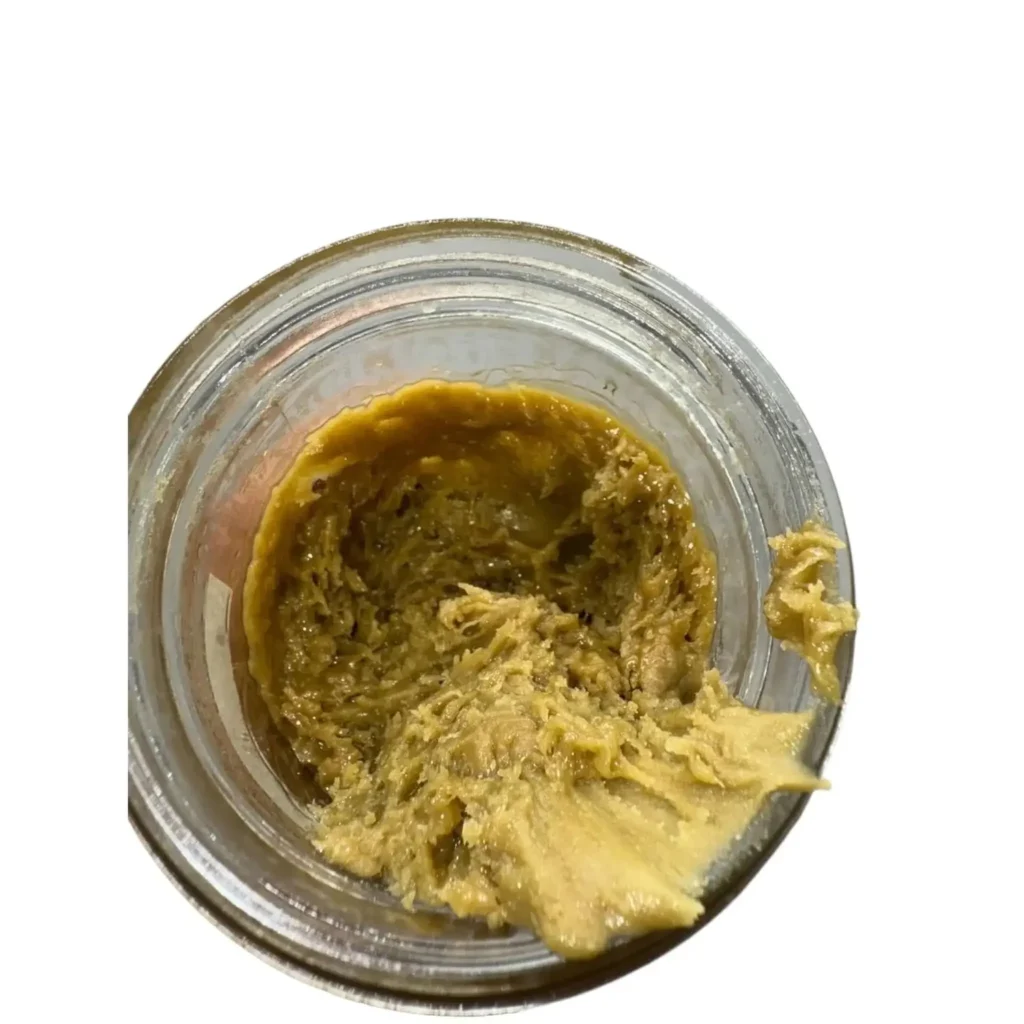
Live rosin is often associated with strong aroma and complex flavor profiles. Its texture can range from creamy and buttery to sticky or more resinous depending on processing and storage conditions.
The term “live” refers primarily to how the cannabis material is handled before extraction. It does not mean that the finished concentrate contains living cannabis.
What Is Hash Rosin?
Hash rosin is another important category of solventless cannabis concentrate.
Instead of pressing ordinary dried flower directly, producers first create a form of cannabis hash or resin-rich material and then press that material to produce rosin.
This additional processing can help separate desirable resin glands from much of the plant material before the final pressing stage.
Hash rosin is therefore different from flower rosin, even though both are produced without traditional chemical extraction solvents.
What Determines Rosin Quality?
Not every rosin product has the same characteristics. Several factors can influence the final result.
Starting Material
The genetics, cultivation conditions, maturity, and quality of the original cannabis can influence the resulting concentrate.
High-quality starting material generally provides a better foundation for producing flavorful and aromatic rosin.
Resin Content
Cannabis varieties differ in their resin production. Material with abundant resin glands may be more suitable for solventless extraction.
Processing
Temperature, pressure, preparation, and processing technique can all influence the final consistency and appearance.
Storage
Rosin is sensitive to heat, light, oxygen, and changes in temperature. Poor storage can affect texture and aroma over time.
Packaging
Good packaging helps protect concentrates from environmental exposure. Airtight containers and appropriate storage conditions can help preserve product characteristics.
Understanding Rosin Texture
Rosin can have several different textures.
Some products are soft and creamy, while others can be more sticky, glossy, crumbly, or firm.
Texture may depend on:
- Starting material
- Moisture content
- Processing conditions
- Cannabinoid and terpene composition
- Storage temperature
- Age of the concentrate
Texture alone should not be treated as a definitive measure of quality. A high-quality product can have different appearances depending on how it was produced and stored.
How to Store Cannabis Rosin
Proper storage is particularly important for concentrates.
Exposure to heat can change the texture and potentially accelerate degradation of sensitive compounds. Light and oxygen can also affect cannabis products over time.
General storage principles include:
- Keep concentrates away from excessive heat.
- Minimize exposure to direct light.
- Use an appropriate airtight container.
- Avoid unnecessary opening and closing.
- Follow the storage instructions supplied by the licensed manufacturer.
- Keep cannabis products secured away from children and pets.
If a product has specific storage instructions on its packaging, those instructions should take priority.
Rosin and Terpenes
Terpenes are naturally occurring aromatic compounds found in cannabis and many other plants.
They contribute to the characteristic smell and flavor associated with different cannabis varieties.
Rosin is often discussed in connection with terpene preservation because solventless processing can produce concentrates with pronounced aromatic profiles. However, terpene content can vary significantly depending on genetics, cultivation, harvesting, processing, and storage.
This is why two rosin products can have very different aromas even when they belong to the same broad category.
Rosin Weed and Potency
One of the most important differences between flower and concentrates is cannabinoid concentration.
Rosin can contain substantially more cannabinoids by weight than traditional cannabis flower. For this reason, potency information should be checked carefully on the product label.
Consumers should not assume that a small amount of concentrate has the same effect as a similar-looking amount of flower.
Where cannabis is legal, laboratory-tested products should provide cannabinoid information such as THC and CBD content. Testing can also provide information about contaminants and product quality.
Why Laboratory Testing Matters
Laboratory testing is an important part of the regulated cannabis market.
Depending on local regulations, testing can evaluate factors such as:
- Cannabinoid concentration
- Microbial contamination
- Residual solvents where applicable
- Pesticides
- Heavy metals
- Other contaminants
When considering cannabis products in a jurisdiction where they are legally available, consumers should look for products from licensed businesses and check the available laboratory information.
Related Cannabis Products
People researching rosin weed often encounter several related cannabis categories.
Cannabis Flower
Flower is the dried cannabis bud and is one of the most recognizable cannabis product categories.
Live Resin
Live resin is a cannabis concentrate generally associated with fresh or freshly frozen cannabis material. Unlike rosin, conventional live resin production commonly uses hydrocarbon solvents.
Hash
Hash is a concentrated cannabis product made primarily from separated resin glands.
Hash Rosin
Hash rosin combines hash preparation with solventless pressing to produce a concentrated resin product.
Vape Products
Cannabis vape products use cannabis extracts in vaporization devices. Product composition and legality vary considerably by jurisdiction.
Edibles
Edibles contain cannabis compounds in foods or beverages. Their effects can differ considerably from inhaled cannabis because cannabinoids are processed differently by the body.
Topical Cannabis Products
Topicals are cannabis-infused products designed for application to the skin rather than inhalation.
Related Product Categories and Offers
A cannabis-focused website can organize related categories around educational and product information rather than presenting every item as interchangeable.
Useful category sections may include:
- Cannabis flower
- Solventless concentrates
- Hash rosin
- Live rosin
- Live resin
- Hash
- Cannabis edibles
- Cannabis topicals
- Cannabis accessories
- Storage containers
- Product education guides
For websites operating legally, promotional offers should clearly state eligibility requirements, applicable age restrictions, geographic limitations, expiration dates, and other terms required by local law.
Examples of informational offer categories could include new-customer promotions, category discounts, seasonal promotions, or loyalty-program information, provided the business is legally permitted to advertise those products and promotions.
How to Compare Rosin Products
When comparing legally available cannabis products, looking at more than the product name can be useful.
Consider:
1. Cannabinoid information
Check the laboratory-tested THC, CBD, and other cannabinoid information where available.
2. Product type
Determine whether the product is flower rosin, hash rosin, or live rosin.
3. Production information
Responsible producers often provide information about the source material and processing.
4. Testing information
Look for appropriate laboratory testing and regulatory compliance.
5. Packaging date
Freshness can matter for concentrate quality, particularly when aroma and texture are important.
6. Storage recommendations
Follow the manufacturer’s storage guidance.
Frequently Asked Questions About Rosin Weed
Is rosin the same as weed?
No. Cannabis flower is commonly called weed, while rosin is a concentrated cannabis product made from cannabis material using heat and pressure.
Is rosin solventless?
Yes. Rosin is generally classified as a solventless concentrate because its extraction relies on physical pressure and heat rather than traditional chemical extraction solvents.
What is live rosin?
Live rosin is generally produced from cannabis that has been preserved fresh or frozen before solventless extraction.
What is hash rosin?
Hash rosin is produced by pressing cannabis hash or resin-rich material to create a solventless concentrate.
Does rosin contain THC?
Cannabis rosin can contain THC, depending on the source material. Exact cannabinoid levels should be confirmed through product labeling and laboratory testing.
How should rosin be stored?
Storage recommendations vary, but concentrates are generally best protected from excessive heat, light, air, and temperature fluctuations. Always follow the manufacturer’s instructions.
Is rosin stronger than flower?
Rosin is a concentrate and can contain significantly higher cannabinoid concentrations by weight than flower. Check the laboratory-tested potency before comparing products.
What is the difference between rosin and resin?
Rosin is produced through solventless heat-and-pressure extraction. Many resin products are produced using solvents, although terminology can vary between products and markets.
Final Thoughts on Rosin Weed
Rosin has become a major category in the cannabis concentrate space because of its solventless production method and distinctive range of aromas, flavors, textures, and cannabinoid profiles.
Understanding terms such as rosin weed, cannabis rosin, live rosin, hash rosin, solventless concentrate, and live resin makes it easier to understand the differences between cannabis products.
For consumers in jurisdictions where cannabis is legal, product labeling, laboratory testing, licensed retailers, age requirements, and local regulations should always be considered. Cannabis laws vary significantly between countries, states, provinces, and municipalities, so legality should be verified locally before purchasing, possessing, or using cannabis products.
