

Uncategorized
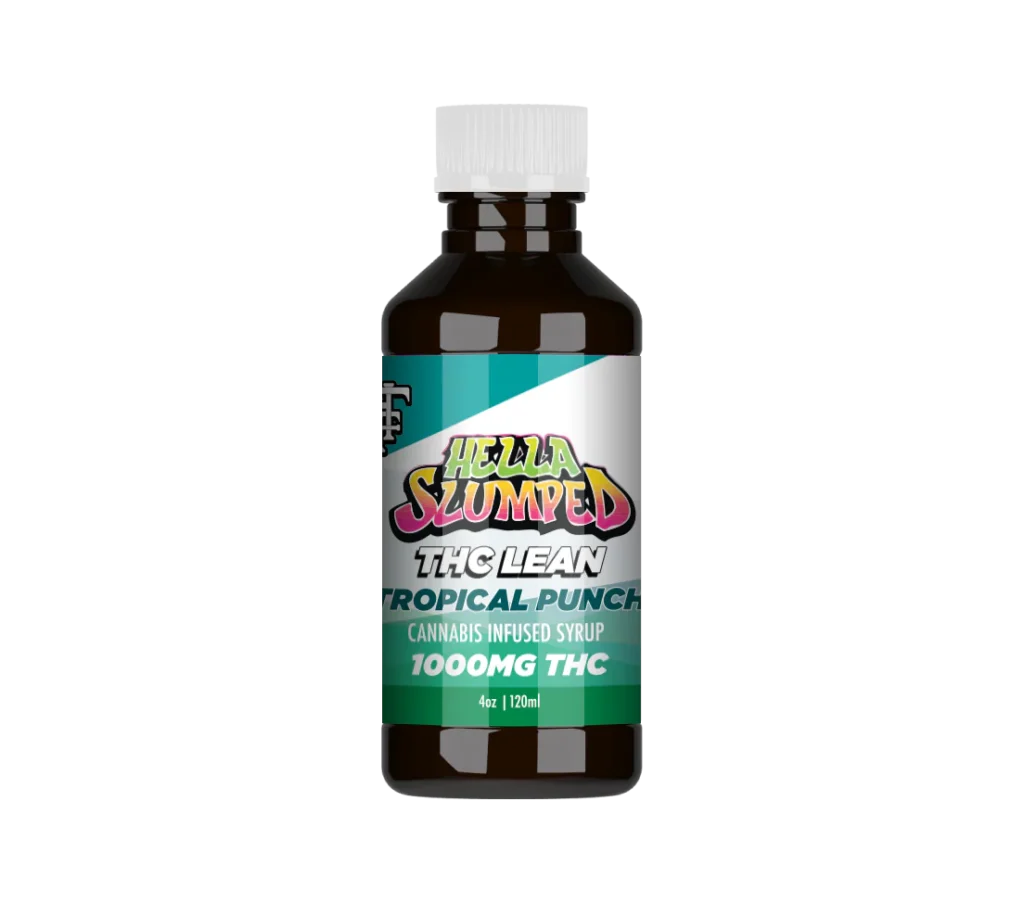
thc syrup for sale
Oct
THC Syrup: What It Is, How It Works, Benefits, Safety, and What to Know
THC syrup is a cannabis-infused liquid product that has become increasingly recognized among adult cannabis consumers looking for an alternative to traditional smoking or vaping. Unlike flower, concentrates, or vape products, THC syrup is generally designed to be consumed as a liquid and may contain tetrahydrocannabinol (THC), the primary intoxicating cannabinoid found in cannabis.
Because THC products can vary considerably in strength, ingredients, formulation, and legal status, understanding what THC syrup is and how it works is important before considering its use. This guide explains THC syrup, common ingredients, effects, potential advantages, safety considerations, storage, and related cannabis product categories.
What Is THC Syrup?
THC syrup is a liquid cannabis formulation containing THC. Depending on the manufacturer and formulation, the product may contain cannabis extract, sweeteners, flavoring ingredients, water, oils, emulsifiers, or other components designed to create a consistent liquid product.
The term “THC syrup” does not necessarily describe one standardized formulation. Products can differ substantially in THC concentration and other cannabinoids. Some formulas may contain primarily THC, while others may include cannabinoids such as CBD or minor cannabinoids.
Consumers should therefore pay attention to the product label rather than assuming that every THC syrup has the same strength or effects.
How Does THC Syrup Work?
When THC is consumed orally, the body processes it differently from inhaled cannabis. Inhaled cannabis reaches the bloodstream relatively quickly, while edible and orally consumed cannabis products generally take longer to produce noticeable effects.
The timing can vary depending on several factors, including:
- Individual metabolism
- Whether the product was consumed with food
- Body composition
- Previous cannabis exposure
- Product formulation
- THC concentration
- Individual sensitivity
Because oral THC can take longer to produce noticeable effects, consuming additional amounts too quickly can increase the likelihood of an unexpectedly intense experience.
THC Syrup vs. Traditional Cannabis
One reason liquid cannabis products attract attention is that they provide an alternative to smoking cannabis flower.
Traditional cannabis flower is commonly inhaled through smoking or vaporization. THC syrup, by comparison, is generally consumed orally.
The major differences include:
Consumption Method
THC syrup is consumed as a liquid rather than inhaled. This can appeal to adults who prefer not to smoke.
Onset
Orally consumed THC generally takes longer to produce noticeable effects than inhaled cannabis.
Duration
The effects of orally consumed THC can last considerably longer than those associated with inhalation.
Product Consistency
Commercially manufactured products may provide labeled cannabinoid concentrations, although consumers should still verify that products have appropriate laboratory testing and labeling.
Potential Effects of THC Syrup
THC affects people differently. Possible effects may include relaxation, altered sensory perception, euphoria, increased appetite, drowsiness, and changes in time perception.
However, THC can also produce unwanted effects, particularly when someone consumes more than intended.
Possible adverse effects include:
- Anxiety
- Paranoia
- Dizziness
- Confusion
- Sleepiness
- Impaired coordination
- Increased heart rate
- Nausea
- Difficulty concentrating
Individual reactions can vary significantly. Someone with little experience with THC may respond differently from an experienced cannabis consumer.
Why Product Labeling Matters
THC concentration is one of the most important factors to consider when evaluating a cannabis-infused liquid.
A product label should clearly identify relevant information such as:
- Total THC content
- THC concentration
- Serving information
- Other cannabinoids
- Ingredients
- Manufacturer information
- Batch or lot information
- Laboratory testing information where applicable
- Applicable warnings
Consumers should be cautious with products that have unclear labeling or make unusually strong claims about their effects.
THC Syrup and Responsible Consumption
Responsible cannabis use begins with understanding the product and its potential effects.
Because orally consumed THC can have delayed effects, people should avoid assuming that a lack of immediate effects means that more should be consumed. Combining THC with alcohol or other intoxicating substances can also increase impairment and unwanted effects.
THC can impair judgment, coordination, attention, and reaction time. People should not drive or operate machinery while impaired.
Cannabis products should also be kept away from children and pets. THC-infused liquids can sometimes resemble ordinary beverages or sweet products, making secure storage particularly important.
Who Should Avoid THC Products?
THC products are not appropriate for everyone. Laws and medical guidance vary by location, but extra caution is appropriate for certain groups.
People who are pregnant or breastfeeding should consult an appropriate healthcare professional about cannabis exposure.
Individuals taking prescription medications should also consider discussing cannabis use with a healthcare professional because cannabinoids may interact with some medications.
People with a history of adverse reactions to cannabis or sensitivity to THC should exercise particular caution.
THC Syrup Storage
Proper storage is important for maintaining product quality and preventing accidental consumption.
THC syrup should generally be stored according to the manufacturer’s instructions and kept in a secure location away from children, pets, and anyone who should not have access to cannabis products.
Keeping the original packaging and labeling intact can also help identify the product’s ingredients, cannabinoid content, and other important information.
Understanding Cannabis Regulations
The legal status of THC syrup varies significantly between countries, states, provinces, and territories.
Some jurisdictions permit certain cannabis products for adults under regulated systems, while others restrict or prohibit THC products entirely. Rules can also differ depending on THC concentration, product type, possession limits, packaging, advertising, and distribution.
For this reason, consumers should check the current cannabis regulations that apply in their specific location rather than relying on information from another jurisdiction.
A product being legally available in one location does not mean that it can legally be purchased, possessed, shipped, or transported somewhere else.
Related Cannabis Product Categories
THC syrup belongs to a broader category of cannabis-infused products. Depending on local regulations, related categories may include:
Cannabis Edibles
Edibles include food products containing cannabinoids. Examples can include gummies, chocolates, baked products, and other infused foods.
THC Beverages
Cannabis beverages are formulated to contain cannabinoids and may be available in certain regulated markets.
Cannabis Tinctures
Tinctures are liquid cannabinoid formulations that may be administered orally or according to the manufacturer’s instructions.
Cannabis Gummies
THC gummies are another form of edible cannabis product. Like other oral THC products, their effects can take longer to become noticeable than inhaled cannabis.
CBD Products
CBD products contain cannabidiol, a non-intoxicating cannabinoid. CBD and THC have different properties, and consumers should not assume that products containing CBD produce the same effects as THC products.
What to Look for in a Cannabis Product
Whether researching THC syrup or another cannabis product, several factors deserve attention.
First, look for transparent labeling. The cannabinoid content should be clearly identified.
Second, consider laboratory testing where available. Independent testing can provide information about cannabinoid concentrations and potential contaminants.
Third, review the ingredient list. People with allergies or dietary restrictions should pay attention to additional ingredients.
Finally, check the applicable regulations in your jurisdiction.
Frequently Asked Questions About THC Syrup
Is THC syrup the same as cannabis oil?
No. THC syrup and cannabis oils can have different formulations, ingredients, concentrations, and intended methods of consumption.
Does THC syrup cause a high?
THC is intoxicating, so THC-containing syrup can produce psychoactive effects.
How long does THC syrup take to work?
Orally consumed THC generally has a slower onset than inhaled cannabis, but the exact timing varies between individuals and products.
Can THC syrup be mixed with other drinks?
Product instructions and local regulations should be followed. Consumers should not assume that mixing cannabis products with alcohol or other intoxicating substances is safe.
Is THC syrup legal?
Its legality depends on the jurisdiction, product formulation, THC concentration, and applicable cannabis regulations.
How should THC syrup be stored?
Follow the manufacturer’s storage instructions and keep the product securely away from children and pets.
Final Thoughts
THC syrup is one of several ways cannabis consumers may encounter THC in a liquid formulation. Its primary distinction from traditional cannabis products is its oral, liquid format, which can result in a different onset and duration of effects compared with inhaled cannabis.
Understanding THC concentration, ingredients, labeling, laboratory testing, storage requirements, and local laws is essential when researching cannabis products. Consumers should also recognize that THC can impair coordination, judgment, and reaction time.
For anyone considering cannabis use, responsible decision-making starts with accurate product information and awareness of individual risks. When questions involve medications, pregnancy, existing medical conditions, or possible adverse reactions, speaking with a qualified healthcare professional is the safest approach.
Related Topics
- THC gummies and edible cannabis
- Cannabis-infused beverages
- THC tinctures
- CBD vs. THC
- Cannabis product labeling
- Cannabis safety and responsible use
- Cannabis laws and regulations
- Cannabinoid product testing
