

Uncategorized
fresh press hash rosin for sale
Oct
Fresh Press Hash Rosin: A Complete Guide to Quality, Freshness, Storage, and Selection
Fresh press hash rosin is one of the most distinctive forms of solventless cannabis concentrate. Known for its soft texture, strong aroma, rich flavor profile, and terpene-forward character, fresh press rosin has become an important part of modern concentrate culture. Unlike solvent-based extracts, rosin is produced using mechanical pressure and controlled heat rather than chemical solvents.
For consumers researching fresh press hash rosin, understanding how it is made, how freshness affects its characteristics, how it should be stored, and what separates high-quality products from lower-quality material can make it easier to make informed and responsible decisions where such products are legally available.
This guide explains the terminology surrounding fresh press hash rosin, important quality indicators, storage considerations, and related solventless products.
What Is Fresh Press Hash Rosin?
Fresh press hash rosin is a solventless cannabis concentrate produced by applying controlled heat and pressure to hash or ice-water-extracted cannabis material. The process separates resin-rich compounds from the plant material without requiring hydrocarbon solvents such as butane or propane.
The term fresh press generally refers to rosin that has recently been pressed and has not undergone significant curing or intentional transformation after extraction.
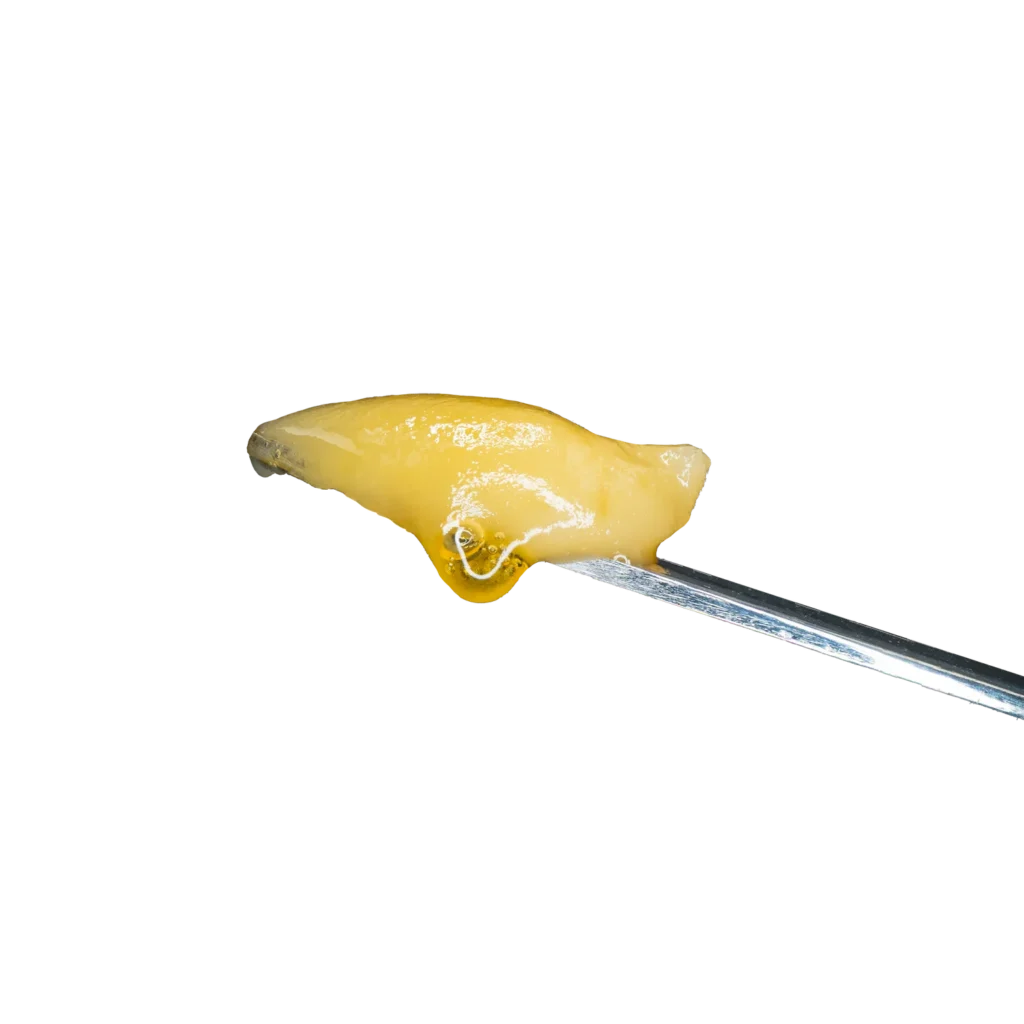
Fresh press rosin can have a noticeably different appearance and consistency from cured rosin. Depending on the starting material, extraction process, temperature, and storage conditions, it may appear glossy, translucent, pale gold, amber, or darker.
Its texture can also change considerably over time.
How Is Hash Rosin Made?
Hash rosin production begins with cannabis containing resin-rich trichomes. Those trichomes contain cannabinoids and aromatic compounds that contribute to the characteristics of the final concentrate.
A simplified production process involves several stages:
1. Selecting Cannabis Material
High-quality starting material is important because extraction does not automatically improve poor-quality cannabis. The genetics, cultivation practices, maturity, harvesting methods, and handling of the plant can all influence the final concentrate.
2. Producing Hash
The cannabis material can be processed into hash through solventless separation methods. Ice-water extraction is one commonly recognized approach for separating trichome-rich material from plant matter.
3. Pressing the Hash
The resulting hash can then be subjected to controlled pressure and temperature. The combination causes resinous material to flow away from the original hash.
4. Collecting the Rosin
The extracted resin is collected as rosin. When it is packaged soon after pressing without an extended curing process, it is commonly described as fresh press rosin.
Fresh Press vs. Cured Rosin
One of the most common questions surrounding solventless concentrates is the difference between fresh press and cured rosin.
Fresh press rosin is generally associated with a glossy, sticky, sometimes glass-like consistency. It may retain a particularly pronounced aromatic profile immediately after pressing.
Cured rosin, by comparison, is intentionally allowed to change texture and consistency over time. Curing can result in a softer, creamier, or more batter-like texture.
Neither description automatically means one product is superior to the other. They represent different stages and characteristics of solventless concentrate.
The preferred texture and aroma profile can depend heavily on individual preferences and the particular cultivar used.
Why Does Freshness Matter?
Freshness can influence the sensory characteristics of hash rosin.
Cannabis concentrates contain volatile aromatic compounds that can change when exposed to heat, oxygen, light, and time. Poor storage conditions may accelerate changes in aroma, texture, color, and overall quality.
For this reason, fresh press hash rosin storage is an important consideration.
A product that was freshly pressed but subsequently exposed to excessive heat may not retain the same characteristics as material that has been carefully handled.
Important Quality Factors
When legally purchasing cannabis products from an authorized retailer, consumers should consider more than appearance alone.
Starting Material
The quality of the original cannabis plays an important role. Genetics, cultivation quality, harvesting, and post-harvest handling can all affect the finished rosin.
Aroma
A strong, clean, recognizable aroma can provide useful sensory information. However, aroma alone cannot establish potency, purity, or safety.
Texture
Fresh press rosin can range from soft and sticky to more glass-like or translucent depending on processing and storage conditions.
Texture should therefore be evaluated together with laboratory information and packaging details rather than treated as a definitive indicator of quality.
Color
Color can vary naturally. Pale gold, amber, and other shades can occur depending on genetics, extraction conditions, age, and storage.
Color by itself does not prove that a concentrate is high quality.
Laboratory Testing
Where legally required and available, laboratory testing is one of the most important sources of information.
Testing may provide information about cannabinoid concentrations and contaminants. Depending on the jurisdiction and testing program, certificates can also address pesticides, heavy metals, microbial contamination, residual solvents, and other safety parameters.
Consumers should look for products supplied through regulated channels with appropriate testing and labeling.
How Should Fresh Press Hash Rosin Be Stored?
Storage is particularly important for fresh press concentrates because heat, light, oxygen, and moisture can affect their characteristics.
A few general principles are useful:
- Keep concentrates away from excessive heat.
- Minimize prolonged exposure to air.
- Protect products from direct sunlight.
- Keep packaging securely closed.
- Follow the storage instructions supplied by the licensed manufacturer or retailer.
- Keep cannabis products away from children and pets.
Specific storage requirements can vary depending on packaging and product formulation, so the manufacturer’s instructions should take priority.
Fresh Press Hash Rosin and Terpenes
Terpenes are aromatic compounds found in cannabis and many other plants. They contribute significantly to the smell and flavor associated with different cultivars.
Fresh press products are often discussed in relation to terpene preservation because the material has not undergone an extended curing period.
However, terpene concentration and composition can vary considerably between products. Genetics, cultivation, harvest timing, extraction conditions, storage, and testing can all influence the final aromatic profile.
This is one reason laboratory information and reputable regulated sourcing are more useful than relying solely on marketing descriptions.
Fresh Press Hash Rosin vs. Live Rosin
The terms fresh press, live rosin, and hash rosin are sometimes used together, but they describe different aspects of a product.
Hash rosin describes rosin made from hash or separated trichome material.
Live rosin generally refers to rosin produced from cannabis material that was preserved in a fresh/frozen state after harvest rather than being traditionally dried and cured first.
Fresh press describes the state or texture of the resulting rosin shortly after pressing.
A product can therefore be described using more than one of these terms depending on its production process.
Related Solventless Products
People researching fresh press hash rosin may also encounter several related categories.
Live Rosin
Live rosin is a solventless concentrate made using fresh-frozen cannabis material. It is commonly associated with preserving characteristics of recently harvested cannabis.
Hash Rosin
Hash rosin is produced by pressing hash rather than directly pressing dried flower.
Cured Rosin
Cured rosin has undergone a curing period that changes its texture and often its appearance.
Ice Water Hash
Ice water hash is a solventless concentrate made by separating trichomes from cannabis using ice, water, agitation, and filtration.
Rosin Jam
Rosin jam refers to a manipulated or cured rosin texture in which crystalline structures can develop within a terpene-rich portion of the concentrate.
These categories can have substantially different textures and sensory characteristics even though they are all associated with solventless extraction.
What Should Consumers Look for on Packaging?
For products sold legally in regulated markets, packaging can provide important information.
Depending on local requirements, consumers may find:
- Product name
- Cannabis strain or cultivar
- Net weight
- Cannabinoid information
- Batch or lot number
- Production date
- Testing information
- Manufacturer or processor information
- Regulatory warnings
- Recommended storage information
- Age restrictions
- Applicable licensing information
Consumers should verify that products come from authorized sources and comply with the laws of their location.
Fresh Press Hash Rosin and Legal Considerations
Cannabis concentrate laws vary significantly by country, state, province, and local jurisdiction. A product that is legally available in one location may be prohibited in another.
Before possessing, purchasing, transporting, or consuming cannabis concentrates, individuals should check the laws applicable to their location.
Travel can create additional legal issues because cannabis products may be restricted across national or regional borders even when possession is legal locally.
Responsible Product Research
Online descriptions can make concentrate shopping confusing because terms such as “premium,” “high quality,” “top shelf,” and “ultra fresh” are frequently used as marketing language.
A more reliable approach is to consider objective information wherever available.
Look for transparent labeling, regulated manufacturing, laboratory testing, clear product information, and appropriate licensing.
Consumers should also be cautious about websites that make unusually broad claims, provide no verifiable business information, or request unconventional payment methods.
Frequently Asked Questions About Fresh Press Hash Rosin
What does fresh press mean?
Fresh press generally describes rosin that has recently been extracted and has not undergone an extended curing process.
Is fresh press hash rosin solventless?
Yes. Hash rosin is classified as a solventless concentrate because mechanical pressure and controlled heat are used rather than hydrocarbon solvents for the final rosin extraction.
Why does fresh press rosin look different from cured rosin?
Fresh press rosin can have a glossy, sticky, translucent, or glass-like appearance. Curing changes the physical structure and can produce a softer or creamier consistency.
Does color determine rosin quality?
No. Color can vary naturally based on genetics, processing, age, and storage. Color alone cannot establish quality or safety.
What affects the freshness of rosin?
Heat, oxygen, light, time, and storage conditions can all affect the characteristics of cannabis concentrates.
Is hash rosin the same as flower?
No. Flower is the dried cannabis plant material, while hash rosin is a concentrated resin product produced from trichome-rich material.
What is the difference between live rosin and fresh press rosin?
Live rosin describes the type of starting material and extraction process, while fresh press describes the condition of the resulting rosin after pressing.
Final Thoughts
Fresh press hash rosin represents an important category within the solventless cannabis concentrate market. Its distinctive texture, aroma, and appearance come from a combination of cannabis genetics, starting material, extraction methods, pressing conditions, and storage.
For anyone researching fresh press hash rosin, understanding the terminology is an important first step. Hash rosin, live rosin, cured rosin, live hash, and fresh press each describe different characteristics of solventless cannabis products.
Quality should never be judged by appearance or marketing claims alone. When cannabis concentrates are legal in your jurisdiction, prioritize regulated sources, transparent labeling, laboratory testing, responsible storage, and compliance with local laws.
For websites publishing educational cannabis content, useful related topics include live rosin vs. fresh press, hash rosin storage, solventless extraction, ice water hash, rosin curing, cannabis concentrate terminology, and cannabis laboratory testing. These supporting topics can create a stronger informational content structure while giving readers practical background before making decisions within their local legal framework.
Suggested Related Content
- Fresh Press vs. Cured Rosin
- Live Rosin vs. Hash Rosin
- What Is Solventless Extraction?
- How to Read Cannabis Concentrate Lab Reports
- Understanding Cannabis Terpenes
- Proper Storage of Cannabis Concentrates
- Ice Water Hash Explained
- Cannabis Concentrate Safety and Legal Requirements
